

Communication tower planning starts with the communication requirements of the site, not simply the tower's overall height. For mobile networks, wireless systems and other telecommunications installations, the selected structure must accommodate antenna positions, equipment loads, site constraints and future maintenance needs. A well-prepared specification gives project owners, engineers and contractors a clearer basis for structural design, procurement and installation.
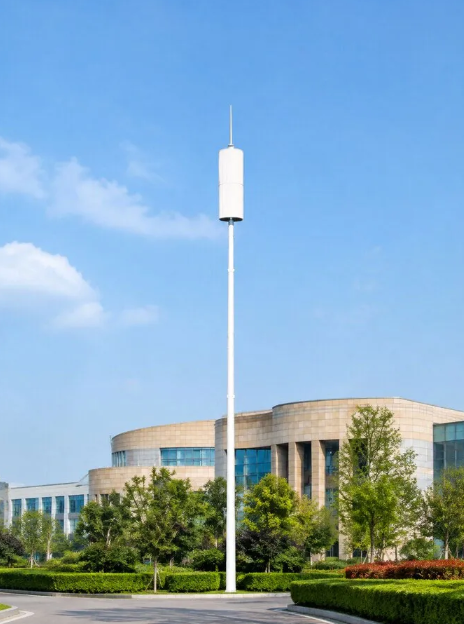
1. Define the Network and Site Requirements
Before selecting a tower configuration, clarify the intended communication services and the equipment to be installed. Different network applications may require different antenna types, mounting positions, cable routes and equipment arrangements.
The site assessment should identify the coverage area, surrounding buildings, terrain, access roads and nearby structures. Urban sites may have limited installation space and stricter visual requirements, while rural or remote locations may place greater emphasis on access, transportation and maintenance logistics.
The project brief should also establish whether the tower is intended for a single operator or may need to accommodate additional equipment in the future. These requirements influence the structure, platform arrangement and available installation space.
2. Select a Tower Type for the Installation Environment
Communication towers can take different structural forms. A monopole may be considered where a relatively compact footprint is required. Lattice or other tower configurations may be appropriate for projects with different structural and equipment requirements. Decorative or camouflaged designs may also be considered where the tower needs to fit a particular urban or landscape setting.
The choice should not be made on appearance alone. Engineers need to review the required antenna arrangement, structural capacity, available site area, transportation constraints and installation method.
For projects in built-up areas, the visual impact and relationship with surrounding buildings may influence the preferred design. At remote sites, access for delivery, lifting and assembly may be more significant. The selected tower form should reflect the actual conditions of the installation location.
3. Coordinate Antenna Layout and Equipment Loads
Antenna configuration is one of the main inputs to communication tower design. The number, type, size and mounting position of antennas affect the loads applied to the structure and the space required for installation.
Project teams should prepare an equipment schedule showing the proposed antennas, brackets, platforms, cables and associated components. Their locations and orientations should be coordinated with the network design before the tower specification is finalized.
Future equipment additions also deserve attention. If expansion is anticipated, the project should define the expected provision and have the structural implications assessed at the design stage. Unplanned additions can change loading conditions and may require further engineering review.
4. Review Structural Design and Foundation Conditions
Tower structural design must account for the combined effects of the tower configuration, mounted equipment and local environmental conditions. Wind exposure is a particularly important consideration because it affects both the tower structure and the equipment attached to it.
The design review should consider the applicable project wind criteria, terrain exposure, corrosion environment, structural connections and the loads transferred to the foundation. The foundation itself must be designed for the actual ground conditions and the reactions from the proposed tower.
Soil information, groundwater conditions, available construction space and nearby underground utilities should be reviewed before foundation details are confirmed. Tower height, structural sections, connection details and foundation requirements should be determined through project-specific engineering rather than copied from another installation.
5. Plan Cable Routing, Power and Grounding
A communication tower is part of a wider telecommunications installation. Its structural layout needs to work with the equipment shelter or cabinet, power supply, cable entry points and other site infrastructure.
Cable routes should be planned to avoid unnecessary bends, exposed sections and conflicts with access areas. The arrangement should allow cables to be secured properly and inspected when maintenance is required. Equipment placement should also leave sufficient working space around cabinets and connection points.
Grounding and lightning protection must be addressed as part of the overall electrical and telecommunications design. Their configuration should follow the applicable local regulations and project requirements. These systems should be coordinated with the tower, foundation and equipment layout before construction begins.
6. Consider Installation Access and Site Logistics
A tower design that works on paper may still create difficulties during delivery or installation if site logistics are overlooked. Confirm the route for transporting tower sections, the available unloading area, lifting equipment requirements and the space needed for assembly.
For constrained urban sites, nearby roads, buildings, overhead services and public access may affect the installation sequence. Remote locations may require additional planning for material delivery, temporary access and construction resources.
The installation plan should also identify inspection points, connection checks and responsibilities for coordinating structural, electrical and telecommunications work. Clear documentation helps reduce conflicts between different contractors during site execution.
7. Prepare for Inspection and Long-Term Maintenance
Maintenance access should be considered before the tower is installed. Project specifications should identify how personnel will reach relevant equipment and structural components, and how inspection or replacement work can be carried out safely.
The maintenance plan should cover structural connections, corrosion protection, antenna mounts, cable supports, grounding components and other equipment interfaces. The inspection frequency and procedures should be established according to the operating environment, equipment requirements and applicable project rules.
Where future network upgrades are expected, project owners should retain the approved structural drawings, equipment schedules and installation records. These documents provide an important reference when assessing proposed changes to antennas or other mounted equipment.
A reliable communication tower project depends on coordination between network planning, structural engineering, civil works, electrical design and installation. Confirming these interfaces early gives project teams a more practical basis for selecting the tower configuration and preparing a specification suited to the site.
FAQ
1. What information is needed before specifying a communication tower?
Start with the site location, required coverage, antenna schedule, proposed tower height, equipment arrangement, environmental conditions and foundation information. These inputs help engineers develop a project-specific design.
2. How should a communication tower type be selected?
Consider the available site area, antenna and equipment requirements, structural design conditions, installation access and visual constraints. The preferred configuration should suit the site and the intended network application.
3. Can a communication tower accommodate additional antennas in the future?
Potential expansion should be identified during initial planning. Any later addition must be checked against the tower's approved structural capacity and equipment layout before installation.


Deja tu pregunta y te responderemos.
Le responderé con prontitud.


Copyright © Baode Lighting Group Co., Ltd. Todos los derechos reservados. Número de registro: SuICP No. 20011226mapa del sitio
Apoyo técnico:Descargo de responsabilidad de Yicheng Network
Este sitio web utiliza cookies para garantizar que obtenga la mejor experiencia en nuestro sitio web.



 Teléfono
Comentario
(0)