


Traffic Infrastructure Systems
Traffic Infrastructure Systems refers to the integrated network of physical structures, digital technologies, control devices, and operational processes that support the safe and efficient movement of people and goods. It includes roads, bridges, tunnels, traffic signals, lane markings, signs, pedestrian crossings, public transit facilities, parking systems, and intelligent monitoring tools. Together, these elements create the foundation of modern transportation and influence daily life, economic activity, and urban development.A well-designed traffic infrastructure system aims to improve mobility while reducing congestion, accidents, and environmental impacts. Roads and highways connect residential areas, business districts, industrial zones, and rural regions, allowing vehicles to travel between destinations. Bridges and tunnels help overcome geographical barriers such as rivers, mountains, and dense urban areas. Intersections and roundabouts manage traffic flow at crossing points, while signals and signage provide guidance and order. Pedestrian sidewalks, bike lanes, and crosswalks support vulnerable road users and encourage more sustainable transportation choices.In recent years, traffic infrastructure has become increasingly intelligent and data-driven. Sensors, cameras, GPS-based systems, and real-time communication networks are now used to monitor traffic conditions, detect incidents, and adjust signal timings automatically. These technologies help transportation authorities respond faster to congestion and emergencies. Smart traffic lights can coordinate with nearby intersections to reduce waiting times, and adaptive control systems can optimize traffic flow based on current demand. Such innovations make infrastructure more flexible and responsive to changing conditions.Safety is one of the most important goals of traffic infrastructure systems. Proper road design, clear signs, street lighting, guardrails, median barriers, and speed management measures can significantly reduce the risk of crashes. Maintenance also plays a critical role. Pavement repairs, bridge inspections, drainage cleaning, and signal upgrades are necessary to ensure reliability and prevent failures. Without regular upkeep, even well-planned systems can become dangerous and inefficient.Traffic infrastructure systems also support economic growth. Efficient transport networks lower delivery costs, improve access to markets, and make cities more attractive for investment and tourism. Reliable infrastructure helps workers commute more easily and allows businesses to operate smoothly. In contrast, poor infrastructure can lead to delays, wasted fuel, and higher operating expenses. Therefore, long-term planning and investment are essential for sustainable development.Environmental considerations are becoming more important in infrastructure planning. Urban planners now aim to reduce emissions by promoting public transit, cycling, walking, and electric vehicle support. Green infrastructure, such as permeable surfaces and stormwater management systems, can also reduce flooding and improve resilience. As cities expand and populations grow, traffic infrastructure systems must adapt to balance efficiency, safety, sustainability, and accessibility.In summary, Traffic Infrastructure Systems are vital to modern society. They connect communities, support commerce, and shape how people move every day. By combining traditional engineering with smart technology and sustainable planning, these systems can meet the transportation needs of the future while improving quality of life.
Producto
Categoría:
-
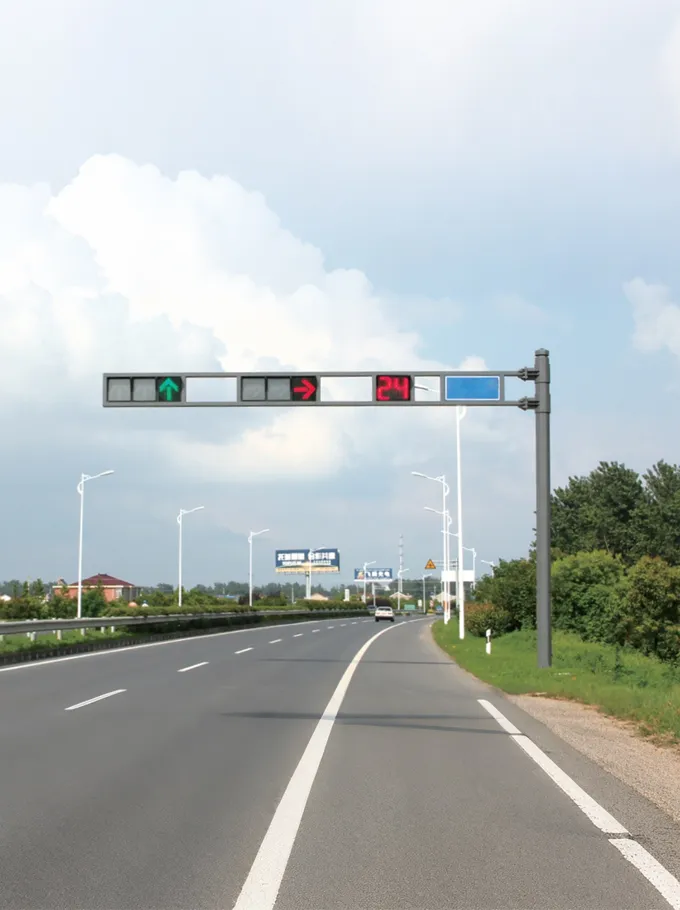
Integrated Traffic Signal Pole Series
Su clasificación: Traffic Signal PolesVistas: 47Número:Tiempo de liberación: 2026-08-19 16:14:14The Integrated Traffic Signal Pole Series combines vehicle signals, pedestrian signals, countdown displays, road signs and optional solar equipment within coordinated steel pole structures. Available in cantilever, vertical and multi-directional configurations, the series is suitable for intersections, urban roads and municipal traffic projects. Pole dimensions, arm layouts, signal positions and surface treatments can be customized for different road conditions and local standards. -
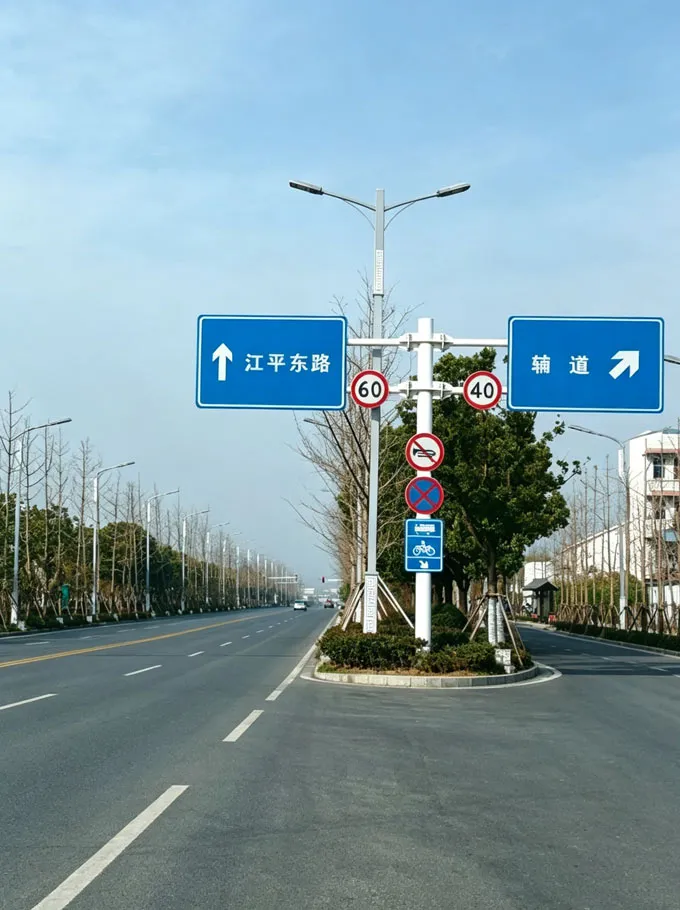
Traffic Sign Support Pole Series
Su clasificación: Traffic Signal PolesVistas: 45Número:Tiempo de liberación: 2026-08-19 16:28:27The Traffic Sign Support Pole Series provides customized steel structures for directional signs, regulatory signs, overhead lane signs and municipal road information systems. Available in roadside, cantilever and multi-directional configurations, the poles can support different signboard sizes and layouts. Pole height, arm length, mounting brackets, surface treatment and foundation dimensions are customized according to road conditions and project requirements. -
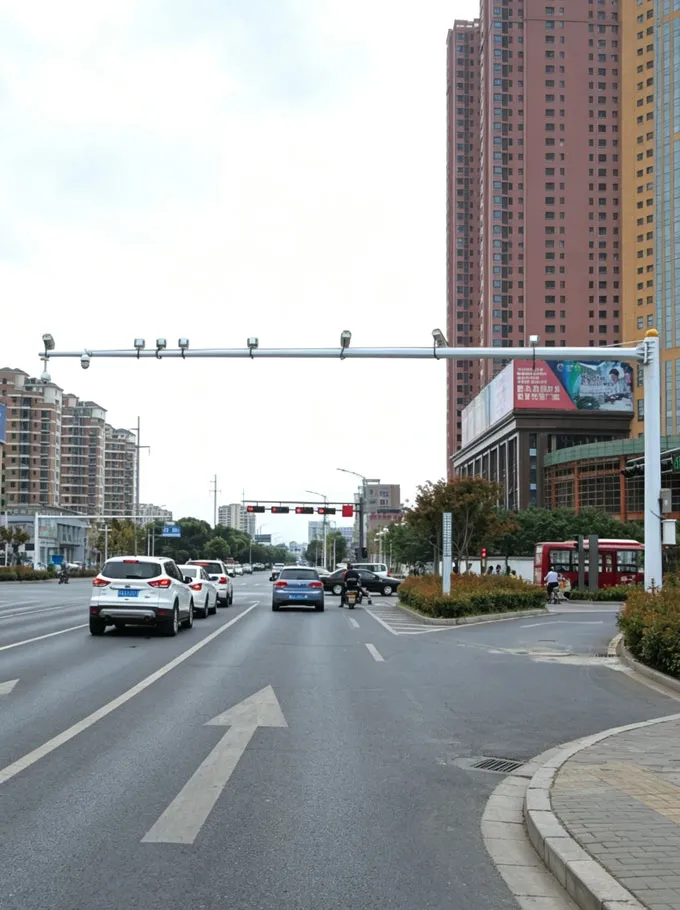
Traffic Monitoring Camera Pole Series
Su clasificación: Traffic Signal PolesVistas: 44Número:Tiempo de liberación: 2026-08-19 16:32:40The Traffic Monitoring Camera Pole Series provides customized steel support structures for CCTV cameras, traffic monitoring devices, vehicle detection equipment and road surveillance systems. Available in cantilever, gantry, roadside and integrated lighting configurations, the poles can support one or multiple devices. Pole height, arm span, mounting positions, cable routing and foundation design are customized according to the monitoring layout and site conditions. -
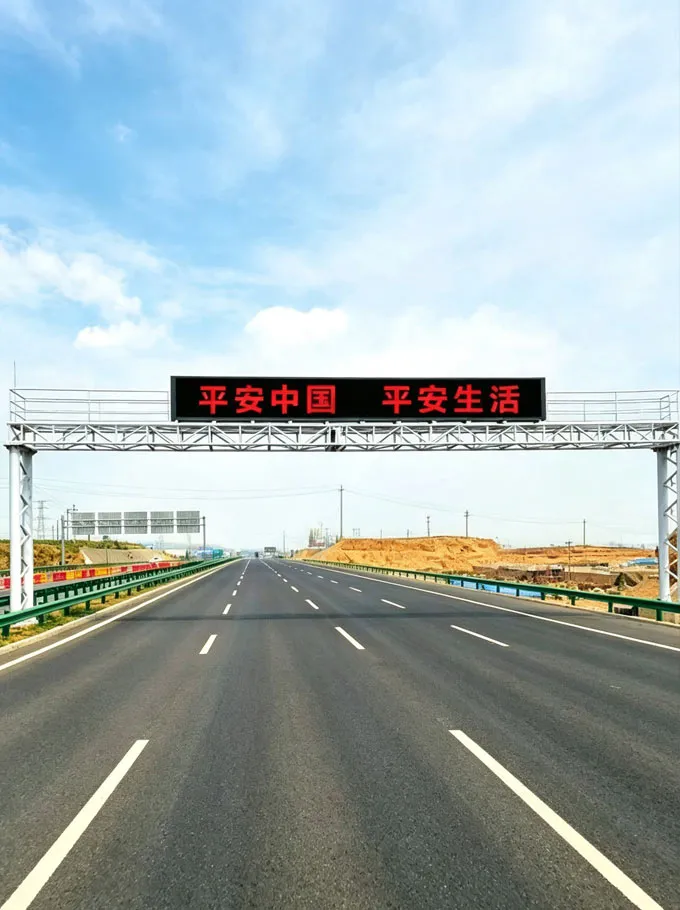
LED Traffic Information Display Series
Su clasificación: Traffic Signal PolesVistas: 43Número:Tiempo de liberación: 2026-08-19 16:37:01The LED Traffic Information Display Series provides customized display and support structures for variable traffic messages, road safety warnings and municipal information systems. Available in overhead gantry, cantilever and roadside configurations, the systems can be adapted to different road widths and screen dimensions. Display specifications, structural dimensions, mounting positions and control requirements are selected according to each traffic-management project.
Noticias
Categoría:
-
[Lighting Technology & Guides]How to Plan Traffic Signal Poles for Urban Intersections
2026-08-27 10:43:18
Caso
Categoría:
¡Sin resultados de búsqueda!
Video
Categoría:
¡Sin resultados de búsqueda!
Descargar
Categoría:
¡Sin resultados de búsqueda!
Reclutamiento
Categoría:
¡Sin resultados de búsqueda!
Productos recomendados
¡Sin resultados de búsqueda!


